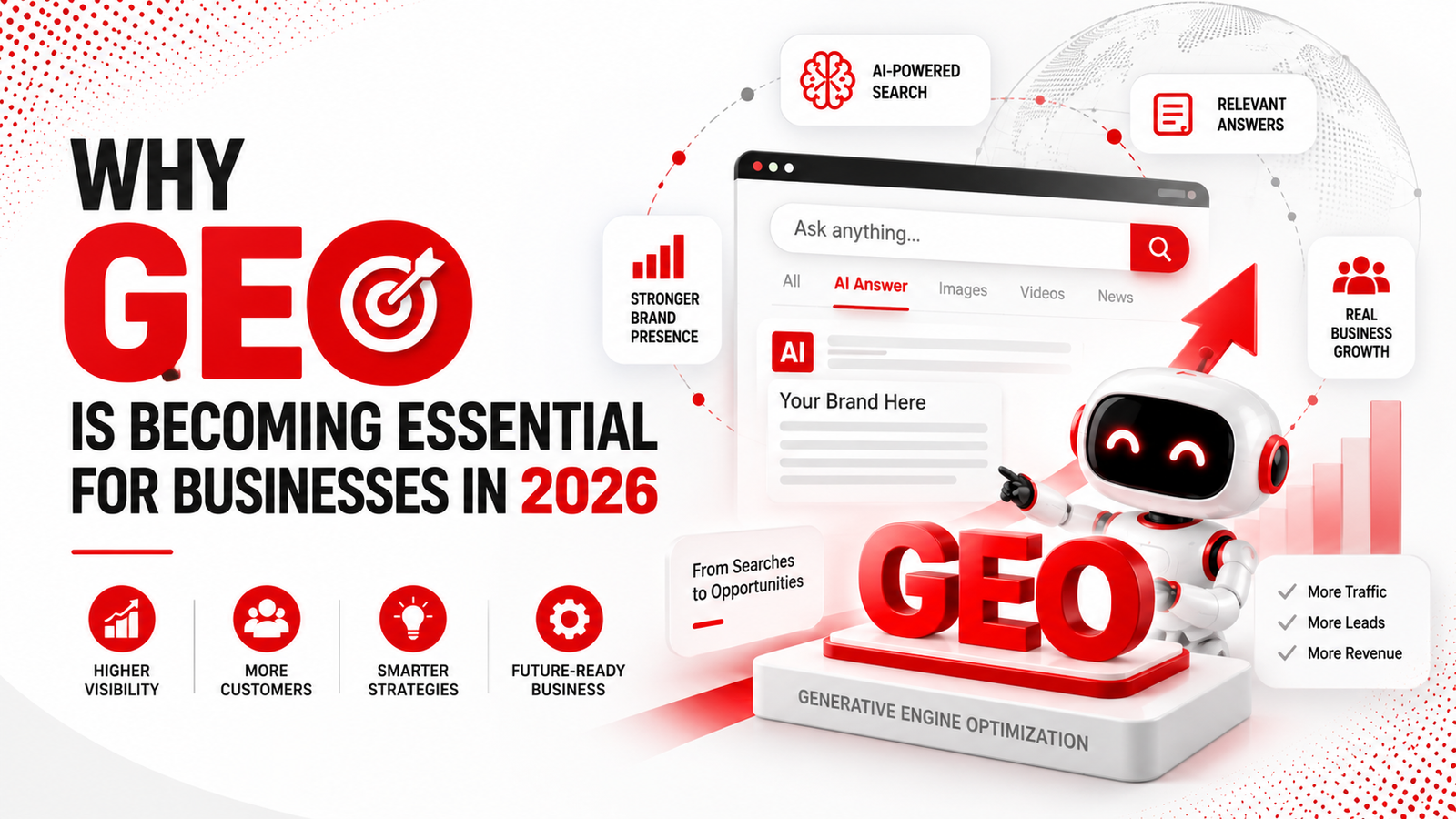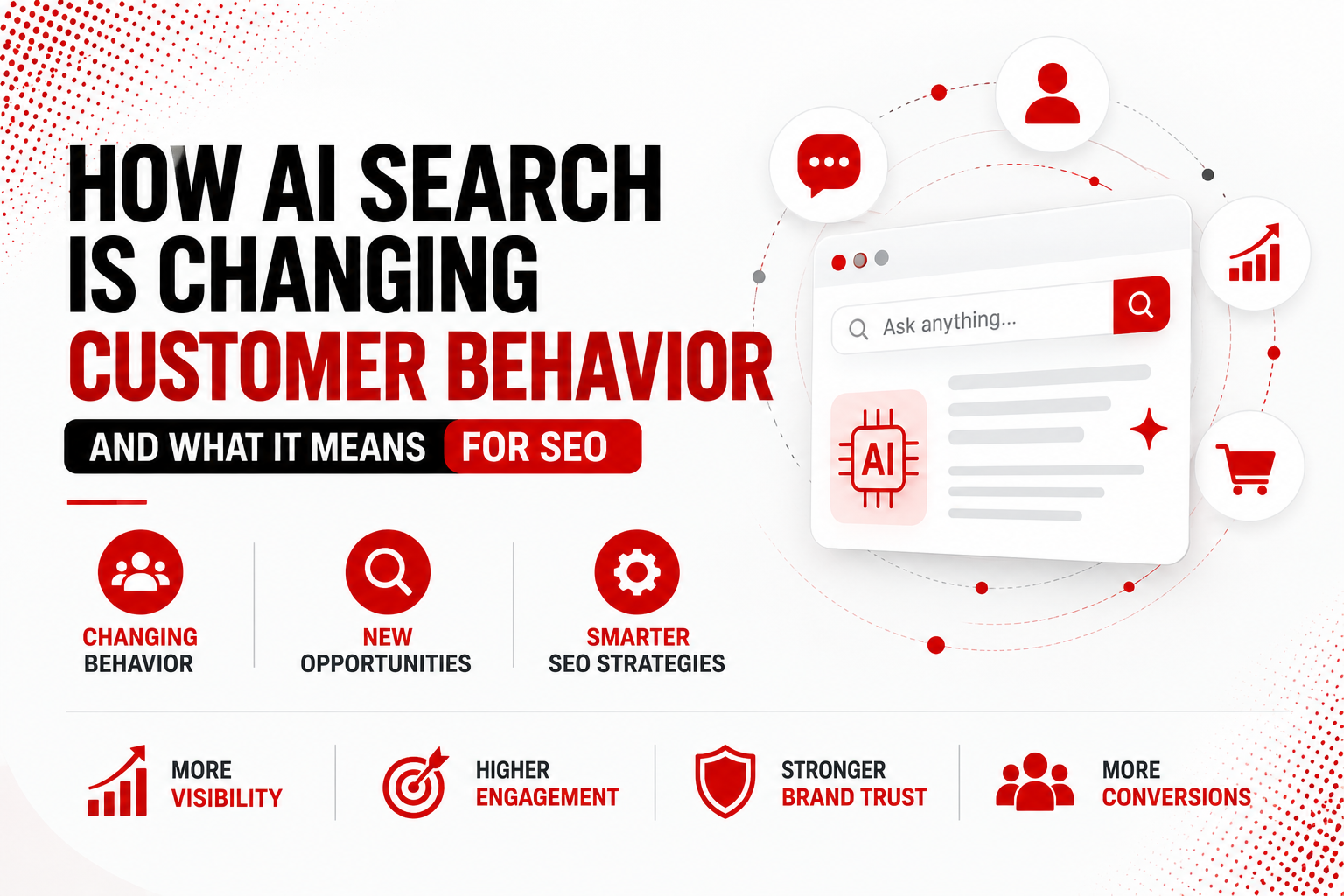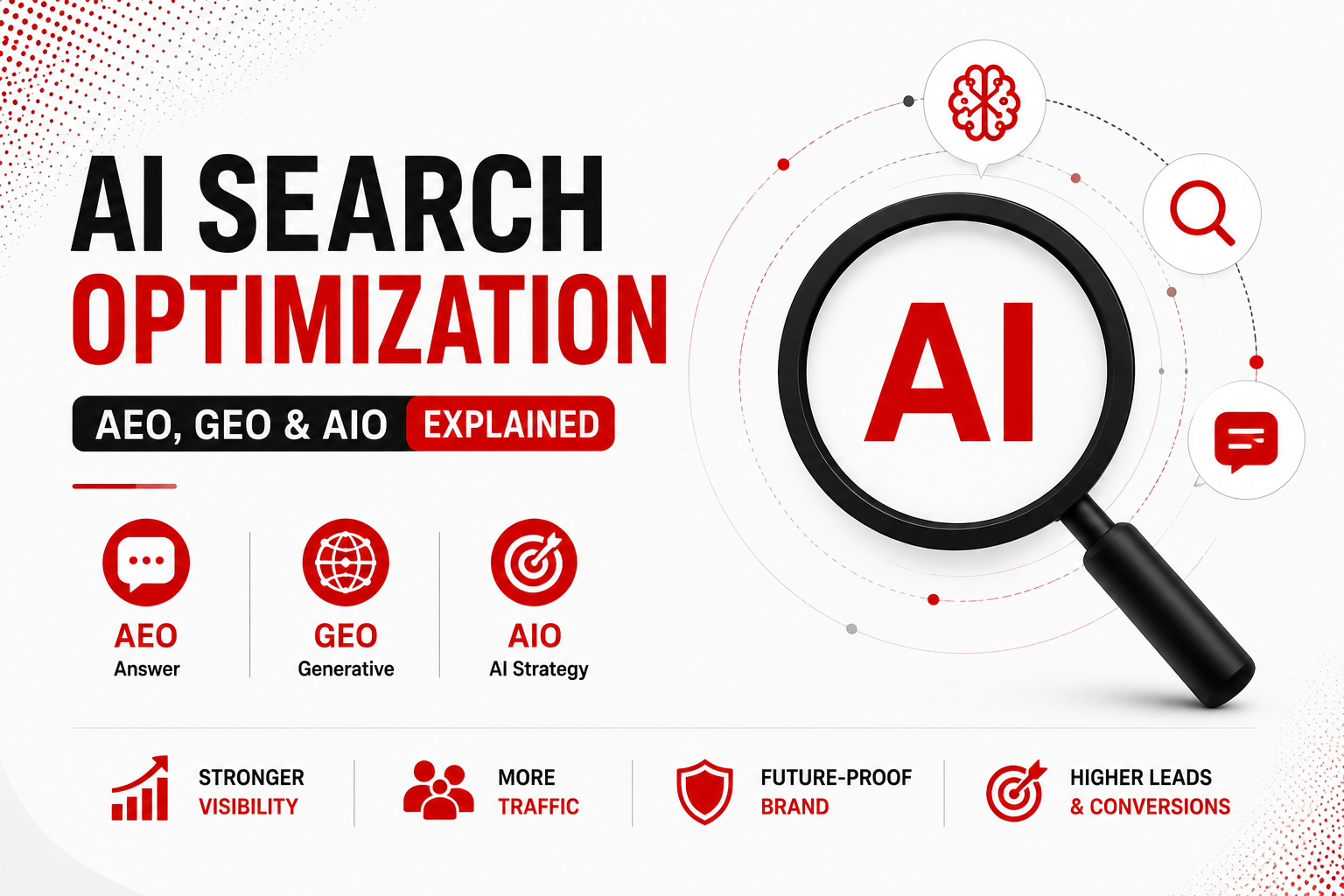
Search is undergoing the most radical transformation since Google first indexed the web. For over two decades, digital visibility meant optimizing for ten blue links, targeting high-volume keywords, and building backlink profiles. Today, user habits have fundamentally shifted. People are no longer just searching they are asking, conversing, and expecting immediate synthesized answers.
Welcome to the era of ai search optimization.
Platforms like ChatGPT, Perplexity, Claude, and Google AI Overviews have redefined how users discover information, products, and services. For business owners and marketers, relying solely on traditional search engine optimization is no longer enough to maintain market share.
In this comprehensive guide from SeoRank-1 , we provide a deep dive into aio explained, geo explained, and the exact frameworks you need to stay visible in ai search engines.
The Paradigm Shift: Why Search Is Evolving
The rise of ai powered search has changed the mechanics of online discovery. Instead of reviewing multiple web pages to compile an answer, users now rely on large language models llms to summarize complex topics into direct responses.
This evolution introduces a new landscape for seo in the ai era. Traditional ranking factors—such as metadata, keyword density, and link authority remain foundational. However, modern seo strategies must now account for how artificial intelligence ingests, understands, and synthesizes web content.
The Evolution of Search
| Search Strategy | Core Focus & Key Tactics | Primary Goal |
| Traditional SEO | Keywords, Backlinks, On-Page Structure & Technical Health | High SERP Rankings & Web Traffic |
| AEO (Answer Engine Optimization) | Direct Answers, Voice Search Alignment & Schema Markup | Featured Snippets & Instant Resolutions |
| GEO (Generative Engine Optimization) | LLM Citations, Brand Mentions & Deep Data Authority | AI-Generated Summary Inclusions |
| AIO (Artificial Intelligence Optimization) | Holistic Ecosystem Strategy & Multi-Channel AI Visibility | Dominant Brand Share of Voice |
To build a resilient strategy for the future of seo, digital leaders must understand the three core pillars of ai optimization:
- AEO (Answer Engine Optimization)
- GEO (Generative Engine Optimization)
- AIO (Artificial Intelligence Optimization)
Let’s break down each concept step-by-step.
1. Answer Engine Optimization (AEO): Winning Direct Answers
What Is AEO?
To understand the foundations of ai search optimization, we must first ask: what is aeo?
What is answer engine optimization? It is the practice of structuring website content so that search algorithms and virtual assistants (such as Google Assistant, Siri, and Alexa) can immediately extract concise, direct answers to user queries.
Where traditional SEO aims to bring users to a landing page, AEO focuses on solving user intent directly at the point of search.
Key Components of AEO
- Structured Data & Schema Markup: Utilizing JSON-LD markup (FAQ, HowTo, Product schema) allows search engines to read your entity data instantly.
- Question-Based Content Architecture: Structuring headers with natural language questions (e.g., “What is…”, “How to…”) followed immediately by clear, 40-to-60-word answers.
- Featured Snippet Targeting: Formatting content with concise bulleted lists, numbered steps, and comparison tables.
When analyzing seo vs aeo, the main distinction lies in destination versus resolution. SEO drives traffic to a destination; AEO resolves the prompt instantly.
2. Generative Engine Optimization (GEO): Influencing AI Outputs
What Is GEO?
As users migrate toward generative models like Gemini and ChatGPT, a new question emerges: what is geo?
What is generative engine optimization? GEO is the strategic process of optimizing web content to ensure your brand, data, and insights are included as cited references in AI-generated responses.
Unlike standard search engines that index pages, generative engines synthesize vast amounts of text from across the web. To win in this environment, your brand must become a primary source of truth within training sets and live RAG (Retrieval-Augmented Generation) feeds.
Core Tactics for GEO
- Entity Building & Citation Diversity: Generative tools prioritize sources that are consistently mentioned across reputable domains, podcasts, research papers, and news outlets.
- Data-Rich Content: Including unique statistics, original research, and proprietary studies makes your content highly retainable for large language models llms.
- Semantic Authority: Structuring topics in depth rather than creating thin, surface-level content.
Comparing seo vs geo reveals that while traditional SEO targets algorithm bots, GEO optimizes for the cognitive reasoning patterns of generative neural networks.
3. Artificial Intelligence Optimization (AIO): The Universal Framework
What Is AIO?
To pull these concepts together, we must evaluate: what is aio?
Artificial Intelligence Optimization (AIO) is an overarching framework that unifies traditional SEO, AEO, and GEO into a single, cohesive growth strategy. Aio explained simply: it is the end-to-end optimization of your digital footprint across all AI touchpoints, from search crawlers to conversational chatbots.
When marketers evaluate aeo geo aio, they are looking at a continuum:
- AEO handles direct, factual answer extraction.
- GEO manages generative synthesis and conversational recommendations.
- AIO ties both together with technical site structure, digital PR, and brand authority.
Understanding the Landscape: SEO vs AEO vs GEO
To select the right approach for your business, it helps to analyze how these paradigms interact. Examining seo vs aeo vs geo highlights distinct objectives across different search environments:
| Optimization Type | Core Objective | Primary Channels | Success Metrics |
| Traditional SEO | Drive organic click-throughs to web pages | Google SERPs, Bing | Organic traffic, SERP positions, CTR |
| AEO | Supply definitive answers for instant resolution | Featured Snippets, Voice Search, Google AI Overviews | Zero-click visibility, snippet captures |
| GEO | Secure brand citations in generative AI responses | ChatGPT, Perplexity, Claude, Gemini | Citation frequency, sentiment score |
| AIO | Holistic visibility across the entire AI ecosystem | Integrated search & AI platforms | Brand share of voice, multi-channel leads |
For businesses navigating this shifting terrain, implementing ai driven seo ensures you don’t lose organic visibility as search engines transition into answer engines.
Practical Strategies for AI Search Optimization
To execute effective seo for ai search, brands need actionable tactics that deliver results today while future-proofing their web properties.
Step 1: Implement Technical Schema and Entity Graphs
Ensure your technical foundation supports clear machine readability. Use nested schema markup to define your Organization, Services, Authors, and Products. Clear entity relationships make llm optimization far more effective, as language models can quickly link your brand to your industry vertical.
Step 2: Shift to Conversational and Long-Tail Content
In ai powered search, users write detailed, multi-sentence prompts rather than short 2-word keywords. Align your content strategy with natural speech patterns:
- Replace generic titles with specific problem-solving questions.
- Build comprehensive FAQ blocks near the top or bottom of key landing pages.
- Execute ai seo audits to find content gaps where AI engines currently lack authoritative answers.
Step 3: Enhance Off-Page Digital Footprint and Authority
Generative search tools rely heavily on off-page consensus to verify facts. To succeed in llm optimization:
- Secure digital PR coverage on respected industry media outlets.
- Maintain consistent brand data across third-party review platforms and business directories.
- Encourage community discussions on platforms like Reddit, Quora, and specialized forums, which are frequently crawled by ai search engines.
The Future of Search: How SeoRank-1 Can Help
Navigating ai search optimization requires specialized technical expertise, continuous monitoring, and adaptive tools. The rules of organic growth are being rewritten, but the core objective remains unchanged: connecting qualified users with your brand.
At SeoRank-1, we help businesses bridge the gap between traditional rankings and modern ai search optimization. Whether you need an audit of your brand’s AI visibility or a full implementation of modern seo strategies, our team delivers tailored, forward-looking solutions.
FAQs
Will AI replace traditional search engine optimization?
No. AI is transforming search, but traditional search engine optimization remains essential for crawlability, technical performance, content quality, and organic visibility. The strongest strategy combines SEO with AI search optimization.
What is the difference between SEO and AI SEO?
Traditional SEO focuses on improving rankings and organic traffic, while AI SEO focuses on making content understandable and useful across AI-powered search and conversational platforms. AI SEO builds on traditional SEO with entity optimization, structured content, and topical authority.
What is the difference between AEO and GEO?
AEO (Answer Engine Optimization) focuses on providing direct answers that search engines and answer engines can extract and display. GEO (Generative Engine Optimization) focuses on increasing brand visibility, mentions, and citations within AI-generated responses.
How can I optimize my website for AI search engines?
Start with strong technical SEO, clear content structure, structured data, authoritative content, and natural-language answers to common questions. Building topical authority, original research, and credible third-party mentions can also strengthen your AI search optimization strategy.
How can I get my brand cited by AI search engines?
There is no guaranteed way to secure an AI citation. However, publishing original research, creating authoritative content, strengthening entity signals, earning reputable third-party coverage, and maintaining consistent brand information can improve your chances of appearing in AI-generated answers.
Ready to Improve Your AI Search Visibility?
The future of search is already here. Strengthen your AI search optimization strategy, improve your visibility across AI-powered platforms, and position your brand as a trusted source of information.
Contact Us today to discuss your AI search goals and discover how SeoRank-1 can help you build a stronger presence across search engines, answer engines, and generative AI platforms.