AI Search Optimization: The Future of SEO Starts Here
Search is evolving faster than ever. For years, businesses focused on ranking at the top of Google by optimizing web pages with keywords, backlinks, and technical SEO. While those fundamentals still matter, a new era has arrived one driven by artificial intelligence.
Today, people don’t just search Google. They ask ChatGPT, Google AI Overviews, Gemini, Perplexity, and other AI-powered search engines direct questions and expect complete answers. Instead of displaying ten blue links, these platforms generate responses by analyzing information from trusted sources across the web.
This shift has introduced a new discipline known as AI Search Optimization.
AI Search Optimization combines the best practices of traditional SEO with new strategies designed to help your website become a trusted source for AI-generated answers. Whether you’re a local business, SaaS company, eCommerce store, or enterprise brand, optimizing for AI search is becoming essential for maintaining online visibility.
In this guide, you’ll learn:
- What AI Search Optimization is
- The differences between AEO, GEO, AIO, and SEO
- How AI search engines work
- The ranking signals AI systems use
- Practical strategies to improve your AI visibility
- Common mistakes to avoid
- Why AI Search Optimization is the future of digital marketing
What Is AI Search Optimization?
AI Search Optimization is also a core component of AI Search Marketing, helping businesses improve their visibility across AI-powered search platforms and connect with potential customers through conversational search experiences.
AI Search Optimization is the process of improving your website so artificial intelligence search platforms can understand, trust, and recommend your content when answering users’ questions.
One of the most important examples of AI-powered search is Google AI Overviews, which is changing how users discover information and interact with search results.
Unlike traditional SEO, where the goal is to rank higher in search engine results pages (SERPs), AI Search Optimization focuses on becoming one of the trusted sources AI systems use to generate answers.
Rather than asking:
“Best SEO agency”
Users now ask:
- Which SEO agency is best for local businesses?
- How can I improve my website’s AI visibility?
- What is the difference between SEO and AEO?
AI platforms analyze multiple sources, compare information, evaluate authority, and generate a single response. If your website is considered trustworthy and relevant, it has a greater chance of being cited or referenced.
Is AI SEO the Same as AI Search Optimization?
While the terms are often used interchangeably, AI SEO is generally considered the broader practice of optimizing websites for AI-powered search engines and answer platforms. AI Search Optimization includes traditional SEO best practices alongside AEO, GEO, and AIO strategies to improve visibility in AI-generated search results.
Why AI Search Is Changing SEO Forever
Artificial intelligence has transformed how users interact with search engines.
Instead of browsing multiple websites, users increasingly expect instant, conversational answers.
This shift offers several advantages:
- Faster access to information
- Personalized responses
- Context-aware recommendations
- Natural language conversations
- Reduced need to visit multiple websites
For businesses, this means visibility is no longer measured only by search rankings. Being included in AI-generated answers is becoming just as valuable.
Modern SEO is evolving from ranking pages to becoming a trusted source of information.
What Is AEO (Answer Engine Optimization)?
Answer Engine Optimization (AEO) focuses on helping your content provide clear, direct, and authoritative answers to user questions.
The goal is to increase the likelihood that answer engines display your content in featured answers, voice search, and AI-generated responses.
Key AEO strategies include:
- Answering common customer questions
- Using structured headings
- Writing concise definitions
- Creating FAQ sections
- Implementing Schema Markup
- Improving readability
- Demonstrating expertise
AEO is especially effective for informational searches where users seek quick, reliable answers.
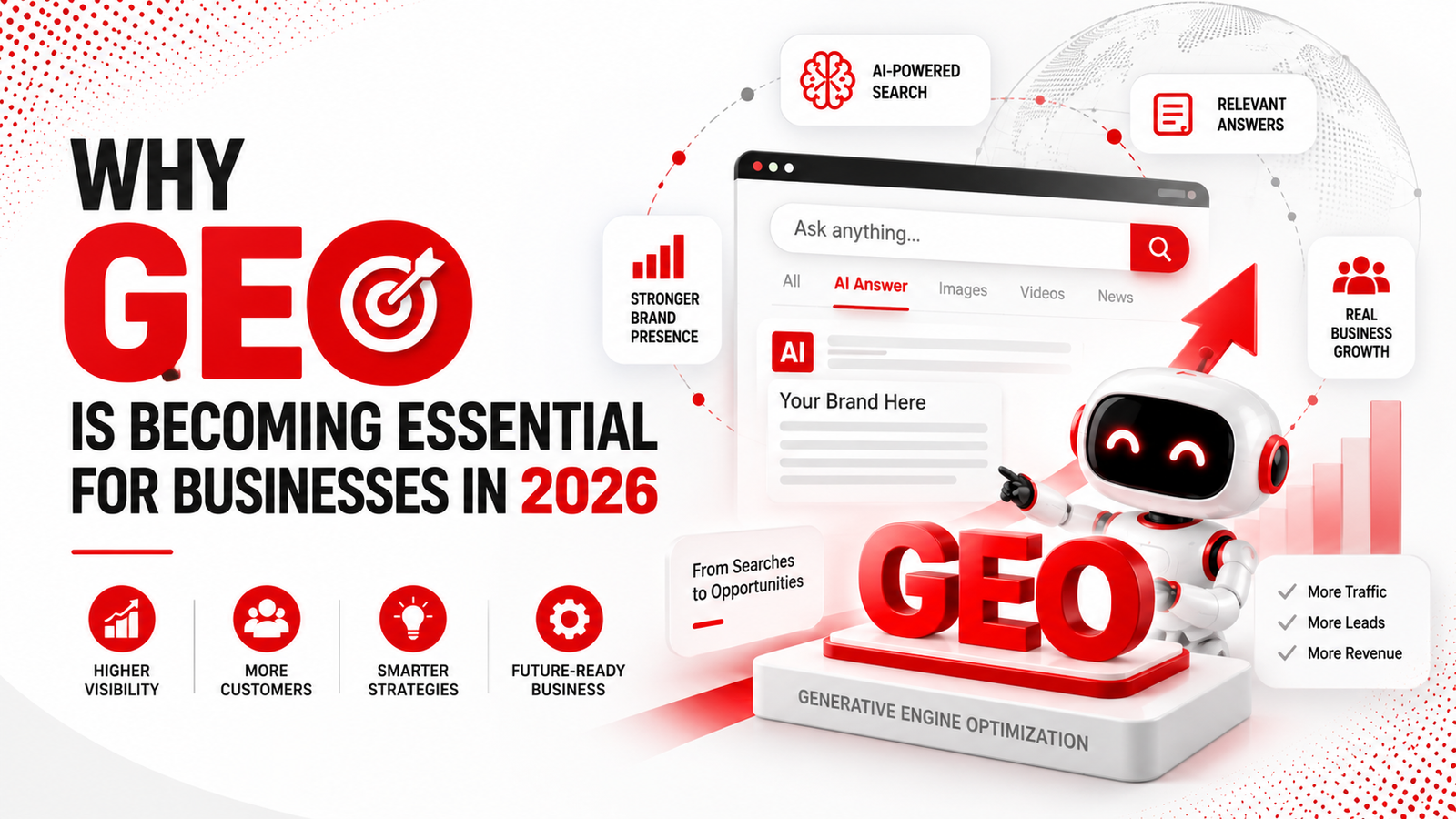
What Is GEO (Generative Engine Optimization)?
Generative Engine Optimization (GEO) is the practice of optimizing content specifically for AI systems that generate responses instead of displaying lists of websites.
Unlike traditional search engines, generative engines synthesize information from multiple trusted sources to produce comprehensive answers.
Effective GEO focuses on:
- Publishing original research
- Building topical authority
- Creating comprehensive content
- Improving citation potential
- Maintaining factual accuracy
- Updating content regularly
The more useful and trustworthy your content is, the greater the chance that AI systems reference it.
What Is AIO (AI Optimization)?
AI Optimization (AIO) focuses on increasing your brand’s visibility across AI-powered platforms.
It goes beyond ranking web pages and aims to establish your business as a recognized authority that AI models confidently recommend.
Successful AIO strategies include:
- Building a strong online brand
- Earning authoritative mentions
- Maintaining consistent business information
- Publishing expert content
- Developing a recognizable digital presence
- Strengthening trust signals
AIO is closely connected to digital PR, brand authority, and online reputation.
AEO vs GEO vs AIO vs Traditional SEO
| Strategy | Primary Goal | Main Focus |
| SEO | Rank in search results | Keywords, backlinks, technical SEO |
| AEO | Answer user questions | Structured, helpful content |
| GEO | Become an AI citation | Comprehensive, trustworthy information |
| AIO | Increase AI visibility | Brand authority and trust |
Rather than replacing SEO, AEO, GEO, and AIO build upon it. The strongest digital strategies combine all four approaches.
How AI Search Engines Work
AI search platforms use advanced language models to understand questions, retrieve relevant information, and generate responses.
Although each platform has its own technology, the general process includes:
1. Content Discovery
AI systems identify publicly available information from websites and trusted sources.
2. Understanding Context
Instead of matching keywords alone, AI evaluates meaning, relationships between concepts, and user intent.
3. Evaluating Trust
AI considers factors such as:
- Website authority
- Author expertise
- Content quality
- Accuracy
- Freshness
- Brand reputation
4. Generating Responses
Finally, AI combines information from multiple sources into a single, coherent answer.
The Most Important AI Search Ranking Factors
As AI-powered search engines continue to evolve, the factors that influence visibility are becoming more sophisticated. While no platform has revealed its exact algorithms, several key signals consistently help websites earn greater trust and improve their chances of appearing in AI-generated responses.
Here are the most important AI Search ranking factors to focus on:
- Publish High-Quality Content: Create original, comprehensive, and valuable content that fully satisfies user intent. AI search engines prioritize content that provides accurate, in-depth, and genuinely helpful information.
- Demonstrate Strong EEAT: Showcase Experience, Expertise, Authoritativeness, and Trustworthiness across your website. Include expert authors, credible sources, case studies, testimonials, and transparent business information to build trust.
- Build Topical Authority: Cover your niche in depth by creating pillar pages supported by related articles. A well-structured content hub helps AI understand that your website is an authority on the subject.
- Optimize for Entities: Make it easy for AI to understand your business, products, services, and the relationships between topics. Clear entity optimization improves contextual understanding and increases your chances of being referenced.
- Implement Structured Data: Use Schema Markup to provide additional context about your content. Structured data helps search engines and AI systems better interpret your pages and identify key information.
- Strengthen Internal Linking: Connect related pages with logical internal links to improve content discovery, distribute authority, and reinforce topical relevance across your website.
- Increase Brand Mentions and Authority: Earn mentions, citations, and backlinks from reputable websites. Strong brand signals improve credibility and make your content more trustworthy in the eyes of both search engines and AI platforms.
- Keep Your Content Fresh: Regularly update your most important pages with new insights, statistics, and industry developments. Fresh, accurate content is more likely to be trusted and recommended by AI-powered search engines.
How to Optimize Your Website for AI Search
Optimizing your website for AI Search doesn’t mean replacing traditional SEO—it means building on it. A successful AI Search Strategy combines proven SEO best practices with techniques tailored for AI-powered search engines. By focusing on high-quality content, EEAT, structured data, and topical authority, you can improve your chances of appearing in AI-generated answers and recommendations.
Here are the key steps to optimize your website for AI Search:
- Create Comprehensive Content: Publish in-depth, well-researched content that answers both primary and follow-up questions.
- Build Topic Clusters: Organize your content into pillar pages supported by related articles to establish topical authority.
- Strengthen Your EEAT Signals: Demonstrate Experience, Expertise, Authoritativeness, and Trustworthiness through expert authors, case studies, testimonials, and transparent business information.
- Implement Structured Data: Use Schema Markup to help search engines and AI platforms better understand your content.
- Write for Natural Language: Use conversational language and answer questions the way users naturally ask them.
- Improve Internal Linking: Connect related pages with meaningful internal links to strengthen topical relevance.
- Earn High-Quality Backlinks: Build authority with backlinks and brand mentions from reputable websites.
- Keep Your Content Fresh: Regularly update your most important pages with new insights and the latest industry developments.
Common AI Search Optimization Mistakes
Many businesses still optimize only for traditional search engines.
Common mistakes include:
- Publishing thin or generic content
- Ignoring EEAT principles
- Using AI-generated content without human editing
- Failing to implement structured data
- Weak internal linking
- Inconsistent brand information
- Covering topics superficially
- Not updating outdated articles
Avoiding these issues can significantly improve your chances of appearing in AI-generated results.
The Future of SEO Is AI Search Optimization
Search is moving toward conversational experiences where users expect immediate, trustworthy answers.
Businesses that invest in AI Search Optimization today will be better positioned to succeed as AI becomes the primary way people discover information online.
Traditional SEO remains essential, but it is no longer enough on its own. Success increasingly depends on producing authoritative content, building topical expertise, demonstrating trust, and becoming a source that AI systems are confident recommending.
Organizations that embrace AEO, GEO, and AIO now will have a competitive advantage as AI search continues to evolve.
AI Search Optimization is not a replacement for SEO it is the next stage of its evolution.
By combining traditional SEO with Answer Engine Optimization (AEO), Generative Engine Optimization (GEO), and AI Optimization (AIO), businesses can increase their visibility across both search engines and AI-powered platforms.
The brands that consistently publish high-quality content, demonstrate expertise, earn trust, and build topical authority will be the ones most likely to appear in AI-generated answers.
If you’re preparing your business for the future of search, now is the time to make AI Search Optimization a core part of your digital marketing strategy.
How SEO Rank 1 Can Help You Dominate Zero-Click Searches
At SEO Rank, we specialize in helping businesses adapt to the ever-changing search landscape including the rise of zero-click searches. Our team uses advanced featured snippets optimization, schema markup best practices, and structured data SEO to make your content visible in Google’s most valuable positions. Whether your goal is to appear in People Also Ask SEO boxes, FAQ rich results, or knowledge panels, we craft data-driven strategies tailored to your niche. By analyzing search intent and optimizing your website structure, we help ensure that your brand gets seen even when users don’t click through. With continuous monitoring, competitive analysis, and on-page improvements, SEO Rank helps you maintain authority, visibility, and long-term SEO growth. If you’re ready to turn zero-click searches into an opportunity for brand exposure and credibility, you can contact our experts to guide you every step of the way.
FAQs
What is AI Search Optimization?
AI Search Optimization is the process of optimizing your website so AI-powered search platforms like ChatGPT, Google AI Overviews, Gemini, and Perplexity can understand, trust, and recommend your content. It combines traditional SEO with AEO, GEO, and AI Optimization strategies to improve your visibility in AI-generated search results.
What is the difference between SEO and AI Search Optimization?
Traditional SEO focuses on improving rankings in search engine results pages, while AI Search Optimization aims to make your content a trusted source for AI-generated answers. Both strategies work together to maximize your online visibility.
What are AEO, GEO, and AIO?
AEO (Answer Engine Optimization) helps your content answer users’ questions clearly. GEO (Generative Engine Optimization) focuses on making your content more likely to be cited by AI search engines. AIO (AI Optimization) improves your brand’s visibility and authority across AI-powered platforms.
Why is EEAT important for AI Search Optimization?
EEAT (Experience, Expertise, Authoritativeness, and Trustworthiness) helps search engines and AI systems evaluate the credibility of your content. Strong EEAT signals increase your chances of appearing in both traditional search results and AI-generated answers.
How can I optimize my website for AI Search?
Start by creating high-quality, comprehensive content, implementing structured data, improving internal linking, building topical authority, demonstrating strong EEAT, and regularly updating your content. These best practices help improve your visibility across both search engines and AI-powered search platforms.